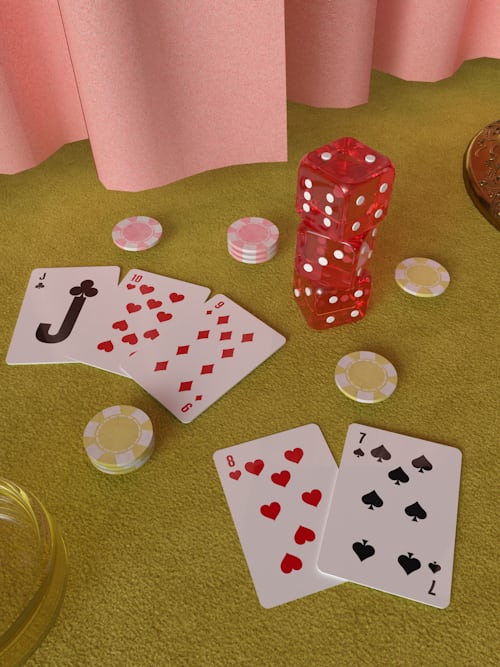
Understanding the Psychology of Bluffing
The essence of bluffing in card games goes deeper than just the cards in your hand; it lies in understanding the psychology of your opponents. Players are often influenced by their beliefs, emotions, and even previous experiences at the table. When you read your opponent’s body language or facial expressions, you’re not just observing but actively interpreting their potential reactions to your plays. Additionally, the choice of playing at a reputable establishment such as a visa fast withdrawal casino can enhance the overall experience, allowing you to gauge when to bluff and when to fold, thus enhancing your strategic approach.

Additionally, successful bluffing hinges on making your opponents doubt their own judgments. By projecting confidence through your betting patterns and body language, you can create a sense of uncertainty in your rivals. For example, maintaining a steady gaze or casually leaning back can convey strength, causing others to second-guess their decisions. In contrast, being overly fidgety or nervous can signal weakness and will likely prompt aggressive plays against you. Mastering this aspect requires practice and keen observational skills.
Moreover, recalling past hands and how players reacted can be a vital source of information. If you’ve noticed a player typically folds under pressure or engages in high-stakes conflicts when confident, factor that knowledge into your strategy. By employing psychological tactics, bluffing is not merely an art; it becomes a calculated risk that can turn the tide of the game in your favor when executed with finesse and precision.
Mastering Timing and Situational Awareness
Effective bluffing requires impeccable timing and an acute awareness of the game situation. Understanding the dynamics of the table, including the styles of play of other participants, can significantly influence your bluffing strategy. For instance, if the table is filled with aggressive players, a well-timed bluff can exploit their eagerness to play. Conversely, if players are cautious or conservative, a bluff may provoke them to reassess their strategy, thus potentially leading to your advantage.
Moreover, the state of the game plays a crucial role in your ability to bluff convincingly. Early in a game, players are often still determining their strategies and reading each other, which can be an opportune moment to test a bluff. As the game progresses, players may become more aware of your tendencies, making it essential to adapt your tactics accordingly. This adaptability is key to successful bluffing; a one-size-fits-all approach is rarely effective.
Lastly, situational context can also dictate the success of your bluff. For example, if a significant pot is on the line, players might be more reluctant to call a bet due to concerns about losing their stack. Recognizing these moments and adjusting your betting patterns accordingly will enable you to execute bluffs with greater efficacy. Always analyze the current state of play, and remember that patience and awareness are as important as the act of bluffing itself.
Building Your Image at the Table
Your image at the card table can greatly affect the success of your bluffing attempts. Establishing a consistent playing style is essential, as it shapes how your opponents perceive you. If you have a reputation for being a conservative player, a sudden aggressive move can catch your opponents off guard, making them more likely to believe your bluff. Conversely, if you frequently play aggressively, they may be more inclined to call your bets, reducing the effectiveness of your bluffs.
Engaging in strategic variability is also an effective way to cultivate a strong table image. By mixing your plays and occasionally showing your cards, you can maintain an air of unpredictability. This unpredictability is key when trying to bluff; if your opponents cannot pin down your strategy, they are less likely to call your bluff. This means that the occasional large bet or unexpected fold can bolster your overall image and create a foundation for future bluffing attempts.
Exhibiting confidence is equally important. Making calculated bets with self-assurance, regardless of your hand, contributes to how others view you. If you approach the table with an air of confidence, it can lead your opponents to second-guess their instincts. They may decide that it’s better to err on the side of caution than to challenge a seemingly robust play. Ultimately, your image is a tool for manipulation, and mastering it can significantly enhance your bluffing success.
Developing the Art of Deception
Bluffing is inherently linked to the art of deception, and mastering this skill requires creativity and cunning. Deception in card games is not just about convincing players that you hold a strong hand; it’s about crafting a believable narrative. Consider the actions you take, the words you use, and the facial expressions you wear. Every aspect of your demeanor can serve as part of the story you present to other players. Taking a moment to assess your actions and ensure they align with the bluff you are trying to convey is critical.
Another aspect of deception involves misdirecting attention. If you can shift the focus away from your true intentions, you create space for a successful bluff. For example, if you want to bluff, consider purposely focusing on another player’s moves or discussing the game casually. This misdirection can distract others from your own play, leading them to overlook your bluff. Practicing this capability can transform a simple bluff into a more complex and engaging strategy.
Additionally, observing how successful players employ deception can greatly enhance your skills. Watching professional players or advanced opponents can provide key insights into the subtleties of bluffing. They often employ a combination of body language, betting patterns, and psychological manipulation to create compelling bluffs. By analyzing their tactics and integrating those techniques into your own game, you can build a more sophisticated approach to deception and ultimately improve your bluffing prowess.
Your Go-To Resource for Card Game Strategy
As you embark on your journey to mastering the art of bluffing in card games, having a reliable resource can greatly enhance your learning experience. A dedicated website focused on card game strategies and tips offers a plethora of information to help you refine your skills. From articles discussing specific strategies to forums where you can engage with other players, such resources can provide invaluable insights and support.
Moreover, utilizing instructional videos and expert insights available online can demystify complicated concepts and make advanced techniques more accessible. Many platforms feature tutorials that break down specific aspects of bluffing, allowing you to visualize and practice these elements. Engaging with a community dedicated to card games can foster personal growth, as you share experiences and strategies with fellow enthusiasts.
Ultimately, understanding that bluffing is an evolving skill not only enhances your enjoyment of card games but also increases your chances of success. By utilizing resources tailored to your learning needs, you can cultivate your abilities, deepen your comprehension of game strategies, and enjoy a more fulfilling experience at the card table. Embrace the journey, and watch as your bluffing skills flourish, leading you to greater triumphs in your card-playing ventures.